

Elevator motors, frequently used in homes, workplaces, and places where people spend time collectively, are among the most important parts necessary for comfortable use. Problems that may occur in the elevator motor directly affect the safe operation of the elevator.
What is an Elevator Motor?
Elevator systems are indispensable for high-rise buildings today. The elevator motor, which is part of the elevator system, can be defined as the most basic mechanical component that provides the movement of the existing system.
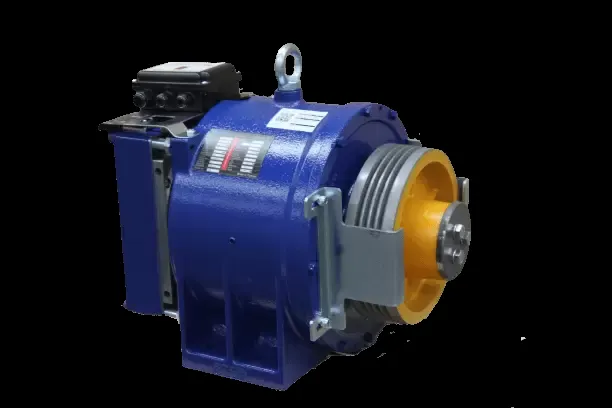

The up and down movement of the elevator cabin is carried out through the motor. Thanks to the elevator motor, the existing electrical energy is converted into mechanical energy, and the movement of the cabin is ensured.
What are the Differences Between Elevator Motor Types?
Depending on the area of use, geared and gearless motors are used today.
· In geared motor systems, the power in the motor is transferred to the movement system using a gearbox. This motor, preferred in low-rise buildings, operates more noisily.
· Geared motor systems are especially indispensable in modern elevator systems. In this type of motor, since power is transmitted directly to the movement mechanism, the motor operates silently, and energy loss is significantly reduced. People can choose elevator motors according to the area of use, performance, and cost.
Is Energy Efficiency Possible in Elevator Motors?
In actively used buildings, energy efficiency is of serious importance, as it is in many other areas. This situation leads to increased attention to the production and selection of elevator motors.
Especially in the production of new generation elevator motors, the main goal is to combine high performance with low energy consumption. In modern elevator motors, thanks to intelligent control systems and inverter drives, the motor only uses as much energy as needed. In this way, unnecessary energy consumption is prevented.
How to Choose the Right Elevator Motor?
To avoid any problems in terms of performance and safety, the elevator motor must be selected correctly. When selecting a motor, the number of floors, carrying capacity, and usage intensity are important factors. In addition, maintenance needs, energy consumption, access to spare parts, and speed are also important considerations in choosing the right elevator motor.
Is Elevator Motor Maintenance Important?
Regular maintenance is necessary to ensure the elevator and its motor function smoothly for extended periods. Maintenance includes sound and vibration analysis, checking electrical connections, inspecting the braking system, and measuring motor temperature. These maintenance procedures prevent minor problems from escalating, allowing the elevator to operate without downtime and avoiding high repair costs.
A correctly chosen elevator motor directly affects not only the system’s operation but also its comfort, safety, and longevity. Motor systems selected to suit the building’s needs result in quieter, more stable, and efficient operation. Therefore, elevator motors developed with a quality-focused production approach continue to be an indispensable part of modern buildings.
With advancing technology, motor systems that save energy, reduce maintenance needs, and offer high performance are becoming increasingly popular. Especially in buildings with heavy use, solutions that prioritize durability provide significant long-term advantages. For a reliable elevator experience, the manufacturing quality, technical infrastructure, and suitability for the intended use of the chosen motor are of paramount importance.